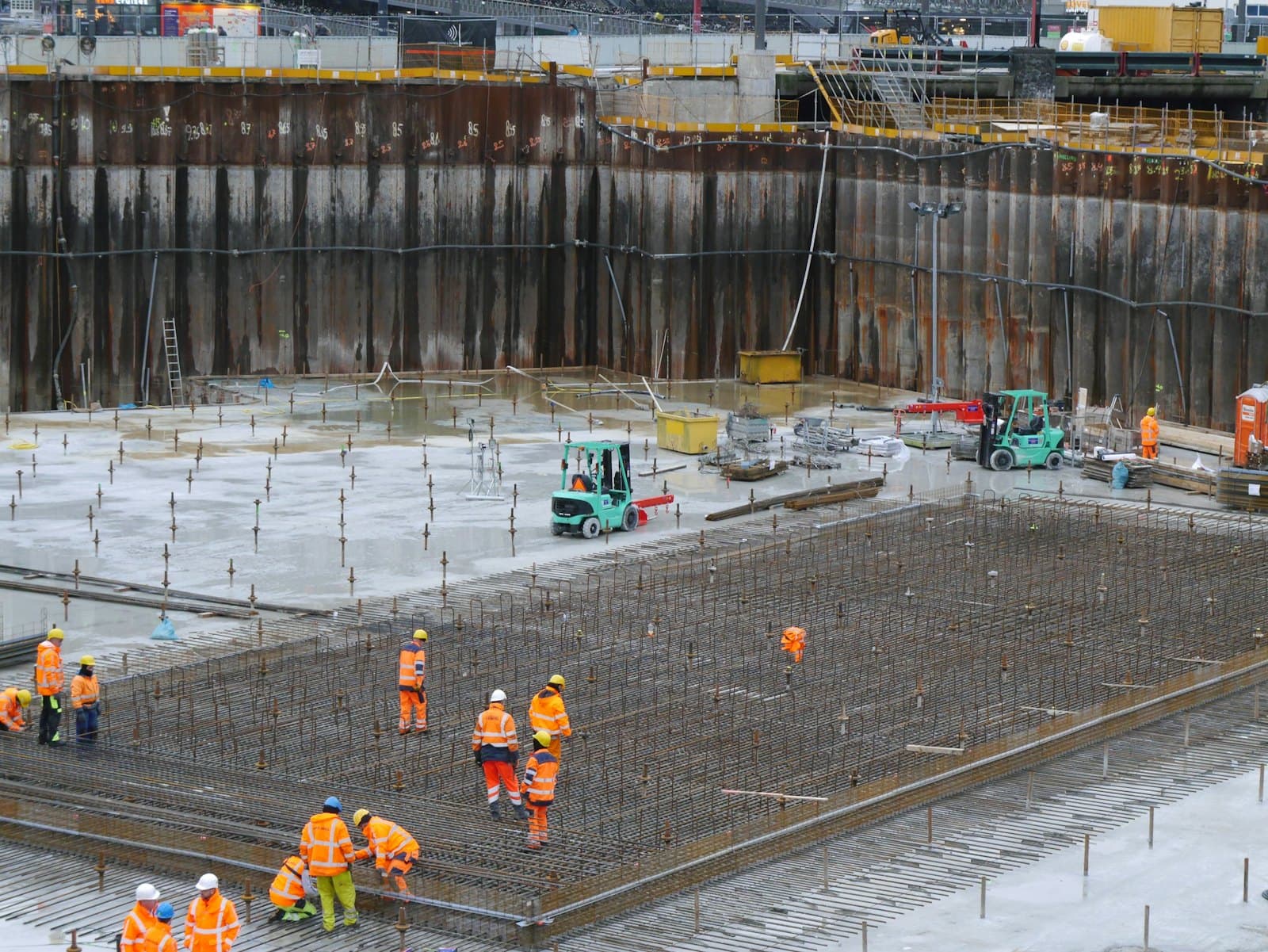
The short version
- It protects the works while they are in progress.
- It may also be called contract works cover.
- Check who is responsible under your building contract.
Imagine a storm brings down a half-built gable. Nobody else was hurt. Nothing that belonged to a neighbour was touched. Public liability is unlikely to help, because the damage is to your own work.
That gap is what contractors' all risks is for. You may also see it sold as contract works insurance.
What it generally covers
- The permanent works while they are being built.
- Materials on site waiting to be used.
- Temporary works such as hoardings.
- Sometimes plant, tools and site huts, if added.
Typical causes include fire, storm, flood, theft and vandalism. As the name suggests, the policy is broad. It still has exclusions, so 'all risks' never means everything.
Common exclusions to check
- Faulty design or workmanship itself.
- Wear and tear.
- Work left unsecured or unattended beyond a set period.
- Damage after handover.
- Asbestos, which is also excluded from many liability policies.2
Who should buy it?
Your contract decides. Building contracts often state whether the employer or the contractor must insure the works. Read that clause before you price the job. If it falls to you, include the premium in your quote.
Getting the sum insured right
Insurers usually ask for your annual turnover or the largest contract value. Be accurate. Under the Insurance Act 2015 you have a duty to make a fair presentation of the risk.1 A wrong figure can cause trouble when you claim.
Common questions
What is contractors' all risks insurance?
It generally covers damage to work in progress and materials on site, such as from fire, storm or theft, subject to policy terms.
Is contract works the same as contractors' all risks?
The two names are often used for the same type of cover. Read the policy to see exactly what is included.
Sources
- Insurance Act 2015, section 3, legislation.gov.uk. Accessed 11 November 2026.
- Public liability insurance, Hiscox UK. Accessed 11 November 2026.
General information only. This is not legal, insurance or financial advice. Your own policy wording decides what is covered.